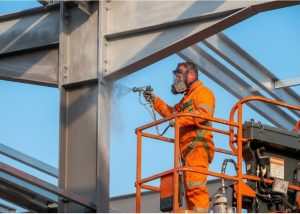
External Wall Insulation (EWI) and silicone rendering play crucial roles in enhancing a building’s energy efficiency and visual appeal. However, many homeowners and contractors question whether these systems can be effectively installed during winter. Adverse weather conditions, including lower temperatures and increased moisture, can impact installation quality, but with proper precautions, winter installation is feasible.
Understanding EWI and Silicone Rendering
External Wall Insulation (EWI)
EWI involves applying insulating material to a building’s exterior, reducing heat loss and improving thermal efficiency. This is particularly beneficial for older homes that lack sufficient insulation. By retaining heat, EWI helps lower energy bills and improves overall indoor comfort.
Silicone Rendering
Silicone render serves as a protective and decorative layer applied over insulation or existing walls. It offers excellent flexibility, resistance to cracking, and superior weatherproofing capabilities. Due to its breathable nature, it allows moisture to escape while preventing water ingress, making it a popular choice for modern render systems.
Challenges of Winter Installation
Temperature Sensitivity
Most rendering and insulation materials require a minimum temperature of 5°C to cure properly. If applied in colder conditions, the curing process slows down significantly, which can lead to adhesion issues and compromised durability.
Moisture Concerns
Winter brings increased humidity, rain, and even snow, which can negatively affect EWI and rendering. Wet conditions can lead to poor bonding, water absorption in insulation boards, and an overall reduction in the effectiveness of the final finish.
Limited Daylight Hours
With shorter days in winter, contractors have fewer hours of natural light to complete the work. This can extend project timelines and increase the need for artificial lighting, which may impact precision during application.
Best Practices for Winter Installation
Material Selection
Using materials designed for colder temperatures can improve the success rate of winter installations. Some manufacturers offer winter-grade adhesives, renders, and primers that cure effectively at lower temperatures.
Weather Monitoring
Checking weather forecasts in advance can help in scheduling work during dry and stable conditions. Avoiding installation on days with high humidity, frost, or rainfall can significantly improve the quality of the outcome.
Protective Measures
Using temporary weather protection, such as covers, tarpaulins, or heated enclosures, can create a controlled environment that allows work to continue despite colder temperatures. Additionally, insulating storage areas for materials prevents them from becoming too cold for application.
Professional Installation
Hiring experienced professionals who understand the complexities of winter installation ensures that the process is carried out correctly. Skilled contractors take extra precautions, such as using rapid-drying solutions and adjusting application techniques to accommodate winter conditions.
Potential Benefits of Winter Installation
Immediate Energy Savings
Installing EWI during winter provides immediate insulation benefits. Homeowners may notice reduced heating costs as the insulation prevents heat loss, resulting in a warmer indoor environment.
Off-Season Advantages
Winter is often considered the off-peak season for exterior work, meaning there may be increased availability of skilled contractors. In some cases, companies may offer competitive pricing for projects scheduled outside peak periods.
Summary
While winter presents challenges for EWI and silicone rendering installation, with the right approach and materials, it is still possible to achieve high-quality results. Proper planning, weather monitoring, and professional expertise play key roles in ensuring a successful installation. If you are considering EWI or rendering work during winter, consult with experienced specialists to assess feasibility and ensure the best outcome for your property.
If you are interested in installing EWI or silicone rendering, get in touch with our team for expert advice and a free consultation. Contact us today to discuss your project and explore the best solutions tailored to your needs.