Sustainability is top of mind in the construction and renovation industries as awareness around environmental impact and the carbon footprint of building practices grows.
As clients and contractors look for more responsible solutions, every stage of a project – from materials to methods – is being re-examined. Plastering is one area that sees significant progress, where traditional methods are being replaced with more modern, eco-friendly alternatives.
Spray plastering is gaining popularity not just for its speed and efficiency but also for its sustainability credentials. Spray plastering ticks the boxes for a greener construction industry by reducing waste, lowering energy consumption, and creating healthier working conditions.
In this blog, UK Spray Plaster will look at how this method supports environmental responsibility and why it’s a great choice for both residential and commercial projects.
What is Spray Plastering?
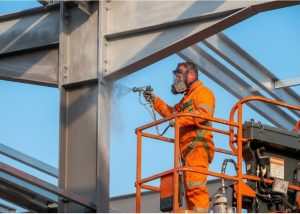
Spray plastering involves using a special machine to apply a smooth, even layer of plaster to walls and ceilings.
Unlike traditional plastering, which is done by hand with trowels and hoes. Spray machines can do both base coats and finishing layers; it streamlines the whole process and reduces physical effort.
It’s used in both domestic and commercial settings, it gives a consistent finish that’s often more uniform than hand applied plaster.
Faster application and fewer errors, spray plastering is not just an efficient alternative – it’s also one that lends itself to sustainable practices, which we’ll get into later in this article.
Reduced Material Waste
One of the most immediate environmental benefits of spray plastering is the reduction of waste. Traditional methods often involve over mixing to make sure there’s enough material, and that can lead to a lot of excess being scraped off and binned at the end of the day.
With spray plastering, precise measurements and consistent output mean less product is wasted.
Because the application is controlled by a machine, the amount of plaster applied is also more accurate. This reduces overapplication and the need for correction or sanding, both of which can generate unnecessary mess and more waste.
In this way, spray plastering helps reduce the amount of material that ends up in landfill – something that’s becoming more and more important as building sites aim for zero waste.

Lower Carbon Footprint
Spray plastering reduces the carbon footprint in many ways. Firstly, the plaster is often pre-mixed or in highly efficient bagged form, which reduces the bulk and weight of transport compared to traditional plaster products.
This means fewer delivery trips and less vehicle emissions.
Also, the faster drying times associated with spray plastering can reduce the need for artificial heating or forced ventilation on site.
In large commercial builds where time is money and conditions need to be tightly controlled, this can make a big difference in overall energy consumption.
Faster application and drying means projects are completed quicker, lower site emissions and utility usage.
Energy Efficiency in Application
Unlike manual plastering which can be time consuming and physically demanding, spray plastering allows large areas to be covered quickly with consistent results.
The use of automated equipment reduces manual labour and energy used in mixing, applying and correcting plaster surfaces. In the long run this means energy savings across multiple projects.
Moreover the consistent finish reduces the likelihood of rework – an often overlooked energy drain in traditional plastering. Fixing uneven surfaces or reapplying plaster to poorly finished walls consumes additional materials, time and energy.
With a smooth first time finish spray plastering avoids this altogether making the process leaner and more sustainable.
Health & Safety Benefits
Sustainability isn’t just about materials – it’s also about people. Spray plastering creates less airborne dust compared to hand mixing and sanding which means healthier air quality on site.
This is particularly beneficial for indoor projects where ventilation can be limited and worker exposure to harmful particulates should be minimised.
The reduced physical effort required with spray plastering also contributes to sustainable labour practices. Workers are less likely to suffer from repetitive strain or fatigue related injuries, promoting long term workforce wellbeing.
By supporting healthier, safer working environments, spray plastering adds another layer to its environmentally responsible credentials.
Recyclable & Low-VOC Materials
Many spray plaster products on the market today are formulated with sustainability in mind. Some are made with low-VOC (volatile organic compound) content which reduces harmful emissions during and after application.
This improves indoor air quality and supports efforts to reduce the environmental impact of building materials. Also packaging used for spray plaster is more recyclable than older bulkier alternatives.
Bagged systems are easier to manage and dispose of responsibly, especially compared to plastic tubs or containers used for ready-mix options.
By choosing spray plaster products with recyclable packaging and low environmental impact, contractors can align their methods with green building standards.
Long Term Durability and Reduced Maintenance
One of the less obvious but highly impactful benefits of spray plastering is its durability. A high quality spray finish tends to last longer than traditional methods so less frequent repairs and repainting are needed.
This longevity reduces the need for future resource use, saves materials and energy over the building’s lifecycle.
With fewer touch ups and lower risk of cracking or surface imperfections, spray plastering also reduces long term maintenance costs.
Not only is this a more economical choice for property owners, but it also reduces ongoing environmental strain by limiting the need for future interventions and resource consumption.

Supporting Green Building Standards
As the construction industry moves towards greener building practices, techniques like spray plastering can play an important role in meeting sustainability targets.
Many eco-building standards, such as BREEAM or LEED, reward projects for reducing material waste, improving indoor air quality and increasing energy efficiency – all of which spray plastering supports.
By using spray plastering contractors and developers can not only boost their sustainability credentials but also appeal to environmentally conscious clients.
Whether it’s part of a full eco-build or just a smarter choice in renovation work, spray plastering helps move the industry in a cleaner greener direction.
Conclusion
Spray plastering is a meaningful step towards sustainability in modern plastering methods. By reducing waste, lowering energy use and promoting better health and safety on site, it ticks multiple boxes for environmentally responsible construction.
As the industry moves towards greener practices, this is quickly becoming the new standard.
Whether you’re a contractor looking to reduce your carbon footprint or a homeowner looking for a more eco-friendly option for your renovation, spray plastering is worth considering.
To find out more about sustainable spray plastering solutions, talk to the experts at UK Spray Plaster today.