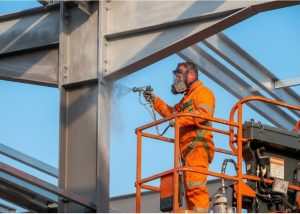
Airless spray plastering is super popular because it’s quick and gives a smooth finish. It’s great for professional plasterers and DIYers alike. But airless spray plastering only works if you do it right.
Knowing the common mistakes will help your project turn out perfectly.
With the right technique, airless spray plastering can turn walls and ceilings into blank canvasses. However, many miss the essential steps that lead to bad results.
Knowing the top mistakes to avoid can improve your technique and give you a better finish. This blog will discuss the 5 most common mistakes in airless spray plastering and how to avoid them.
Mistake 1: Not enough surface prep
One of the most important steps in airless spray plastering is surface prep. Before you apply any plaster the surface must be clean and if necessary primed to ensure good adhesion.
Dust, grease and old paint can interfere with the bonding process and cause peeling or uneven finishes. Not doing this step can cost you time and money down the track.
Not prepping surfaces enough can cause the plaster not to adhere properly and you’ll end up with imperfections. Taking the time to inspect and prep surfaces will save you a lot of hassle down the line.
Simple things like filling holes and cracks, smoothing out rough areas and applying a primer can make a big difference in the end result.
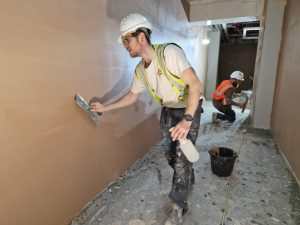
Mistake 2: Wrong equipment settings
Getting the equipment settings right is key to getting an even and professional finish with airless spray plaster. Each project may require different pressures and nozzles, which can make a big difference to the spray pattern and plaster application.
Not adjusting the settings to the material and conditions can cause overspray, drips and uneven application.
Read the manufacturer’s guidelines for your equipment. Take the time to test different settings on a small area before you start a bigger area.
By doing this you can dial in your equipment to get the best results and get a smooth and even application that will enhance the look of your walls or ceilings.
Mistake 3: Ignoring the environment
Environmental conditions are a big factor in airless spray plastering. Temperature and humidity can affect drying times and the performance of the plaster. Applying plaster in bad weather can cause uneven drying or even cracking of the plaster and ruin the finish.
You must monitor these conditions and adjust your application accordingly.
For best results apply plaster when the temperature is moderate and humidity is low. If the conditions are not ideal use heaters or dehumidifiers to create a good environment for application.
By taking the time to assess and adjust for environmental conditions you will ensure the plaster adheres well and cures properly and you’ll get a perfect finish.

Mistake 4: Overloading the spray gun
Overloading the spray gun is another big mistake that can cause major problems with airless spray plastering. Applying too much plaster at once may seem efficient but will result in runs, drips and an uneven finish.
Instead of getting a smooth surface, you’ll end up with extra work in sanding and touch ups which can be time consuming and frustrating.
The best practice is to apply multiple thin coats rather than trying to cover the surface in one thick layer. This way you have better control and each layer will adhere properly.
It will also give you a smoother finish as each layer has time to dry and settle before the next is applied. By pacing yourself and not overloading the gun you’ll get much better results.
Mistake 5: Ignoring safety precautions
Safety should never be ignored in any plastering job especially when using airless spray equipment. Many people underestimate the risks of spray plastering and end up getting injured or sick from inhaling dust or fumes.
You must wear personal protective equipment (PPE) such as masks, goggles and gloves to protect yourself from potential hazards.
Also make sure to have good ventilation in the work area to minimize exposure to harmful particles. Open windows and doors or use fans to circulate the air while working.
Following safety protocols not only protects your health but also the health of everyone involved. By prioritizing safety you can focus on getting a good finish without compromising your well-being.
Conclusion
Avoiding these common mistakes in airless spray plastering is the key to getting the best results. From surface preparation to setting up the equipment each step is crucial to the overall outcome of your project.
By being aware of the environment and prioritizing safety you can improve your plastering skills.
By learning from these mistakes you’ll have a more efficient application process and a better finish. Whether you’re a pro or a DIYer taking the time to understand and apply these tips will ensure your airless spray plastering projects will be successful and look good.
Plaster with confidence knowing you know how to avoid the mistakes and get great results.